
Choosing the Right Tree to Plant: A Guide for Maine Homeowners
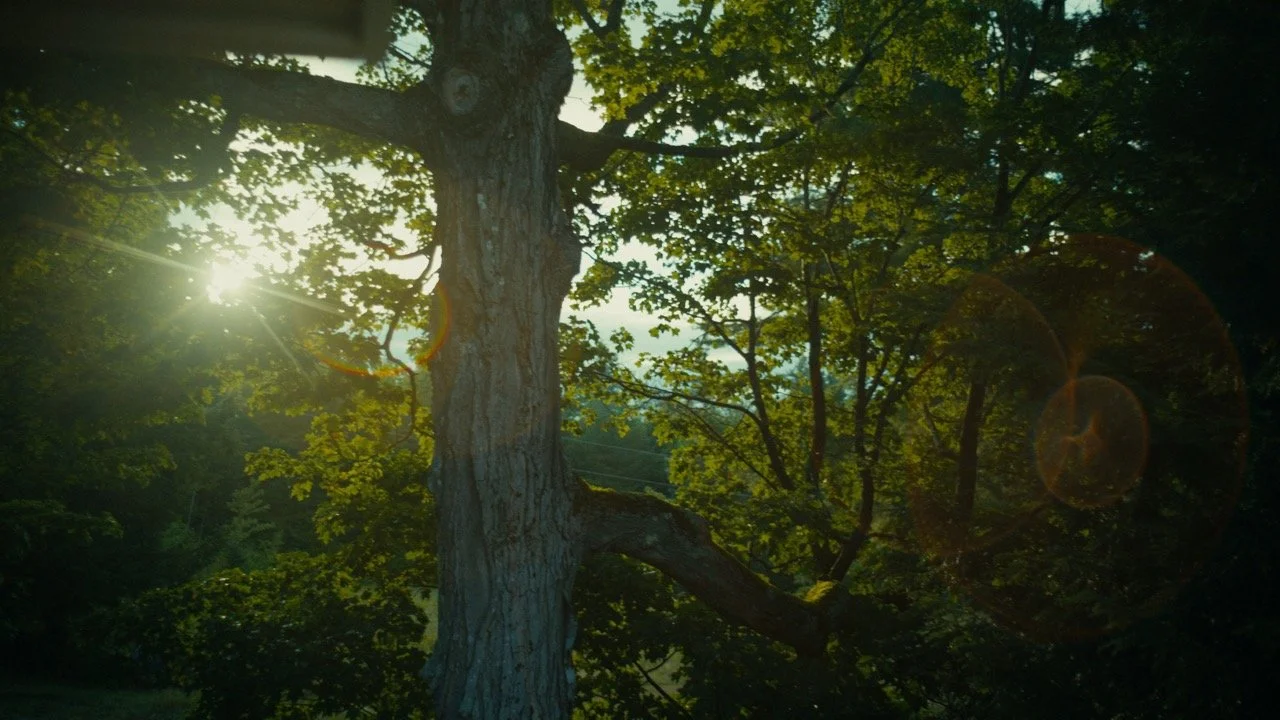
Planting a tree is an investment in your property that can pay off for decades. The right tree can provide shade, privacy, wildlife habitat, seasonal color, and natural beauty. But choosing a tree based on appearance alone can lead to problems as it grows.
Here in Western Maine, our changing seasons, cold winters, varied soil conditions, and wooded landscapes all play a role in determining which trees will thrive. Before heading to the nursery, it’s worth taking some time to understand your property and what you want your new tree to accomplish.
At Hutch’s Tree, we believe healthy trees are worth preserving and investing in. Choosing the right tree from the beginning is one of the best ways to support a healthy landscape for years to come.
1. Start With the Purpose of the Tree
Before choosing a species, think about what you want the tree to do.
Are you looking to create shade over a patio? Add privacy along a property line? Replace a tree that had to be removed? Or attract birds and other wildlife to your yard?
Different trees serve different purposes. Broad-canopied deciduous trees can provide valuable summer shade, while evergreen trees may offer year-round screening and shelter from the wind. Flowering and fruit-bearing trees can add seasonal interest and provide food for wildlife.
Having a clear goal makes it easier to narrow down your options and find a tree that suits both your landscape and your needs.
2. Consider the Tree’s Mature Size
One of the most common planting mistakes is choosing a tree based on how it looks when it’s small rather than how large it will become.
A young tree might fit comfortably beside your house today, but its mature canopy and root system may eventually compete with buildings, driveways, walkways, or nearby trees.
Before planting, consider:
Height: Will the tree eventually interfere with overhead utility lines or nearby structures?
Canopy spread: Will the branches have enough room to grow without repeatedly contacting your house or other trees?
Root space: Is there enough room for roots to develop beneath the soil without being restricted by pavement or compacted ground?
Future maintenance: Will the tree require frequent pruning because it’s planted too close to something?
Give your tree room to grow into its natural form. Proper placement can reduce future maintenance and help prevent avoidable conflicts as the tree matures.
3. Match the Tree to Your Property
Not every tree grows well in every location. Even within the same neighborhood, conditions can vary significantly from one part of a property to another.
Before planting, take a look at the site itself.
Sunlight: Does the location receive full sun, partial shade, or mostly shade? Different species have different light requirements.
Soil: Is the soil sandy, rocky, compacted, or rich in organic matter? Soil conditions influence how well roots establish and access water and nutrients.
Drainage: Does the area stay wet after heavy rain, or does it dry out quickly? Some trees tolerate consistently moist soils, while others struggle when their roots remain saturated.
Wind exposure: An open field or lakeside property may experience different wind conditions than a sheltered woodland yard.
Available space: Consider buildings, septic systems, driveways, underground utilities, and existing trees before deciding where to plant.
Taking these factors into account can help you select a tree that is naturally suited to the site instead of trying to make the site suit the tree.
4. Choose a Tree Suited to Maine’s Climate
Maine winters can be demanding, with freezing temperatures, snow, ice, and strong winds. A tree that performs well in a warmer climate may not be equipped to handle the conditions here.
When comparing species, look for trees that are appropriate for your local growing conditions and USDA hardiness zone. Keep in mind that hardiness is only one consideration. Soil moisture, sunlight, wind exposure, and the specific microclimate around your home also influence how well a tree performs.
Native trees can be particularly valuable additions to Maine landscapes because many are well adapted to local conditions and can support native insects, birds, and other wildlife. However, the best choice still depends on the specific planting site and the goals for your property.
If you’re unsure which species will perform well, an arborist or knowledgeable local nursery professional can help you narrow down your options.
5. Look for a Healthy, High-Quality Tree
Once you’ve chosen an appropriate species, take a close look at the individual tree before purchasing it.
A tree that looks healthy above the ground may still have problems with its trunk, branch structure, or roots. Starting with a good-quality tree gives it a better foundation for long-term growth.
Look for:
A trunk that is reasonably straight and free from significant wounds or damage.
Well-spaced branches with a balanced structure.
Roots that extend outward naturally from the trunk.
A root system that isn’t severely circling, crushed, or crowded within the container.
No obvious signs of significant decline, damage, or pest problems.
Avoid trees with major structural defects or badly damaged roots. If you’re uncertain about a particular tree, ask for help evaluating its condition before bringing it home.
6. Plant It in the Right Place and Give It a Good Start
Choosing the right tree is only part of the process. Proper planting and aftercare are essential for helping it establish.
Before digging, identify underground utilities and consider the location of septic components and other infrastructure. Give the tree adequate room above and below ground, and make sure the planting site offers suitable soil and drainage.
After planting, pay close attention to watering, especially during dry periods while the root system becomes established. Apply mulch over the root zone to help retain soil moisture and moderate temperature changes, but keep it pulled back from direct contact with the trunk.
Avoid planting too deeply. The root flare — where the trunk begins to widen into the main roots — should remain visible at the soil surface. Burying the root flare can contribute to long-term tree health problems.
The first few growing seasons are especially important. Regularly check the tree’s moisture needs, condition, and stability as it establishes itself.
7. Think Long-Term
A tree may remain on your property for generations, so it’s worth looking beyond its immediate appearance.
Consider how its canopy might change your yard, whether it will eventually provide shade where you need it, and how it will interact with nearby trees as the landscape develops. Think about the wildlife it may support and whether its mature size will fit the property without constant corrective pruning.
A well-chosen tree can become a defining feature of your landscape. A poorly placed one can create years of unnecessary maintenance.
Taking a little extra time before planting can make a significant difference.
Need Help Choosing the Right Tree?
Every property in Western Maine is different. Soil conditions, exposure, available space, and the surrounding landscape all influence which trees are best suited for a particular location.
Whether you’re replacing a tree, adding shade, creating a privacy screen, or planning improvements to your property, choosing the right species and planting location can help set your landscape up for long-term success.
At Hutch’s Tree, we believe the best tree care starts with thoughtful decisions and a focus on preservation whenever possible.
If you’re planning to plant trees on your property and aren’t sure where to start, reach out to Hutch’s Tree. We’re happy to help you think through your landscape and make informed decisions about your trees.
The right tree, in the right place, can make all the difference.