
Preparing Trees for Maine Winters: A Local Guide
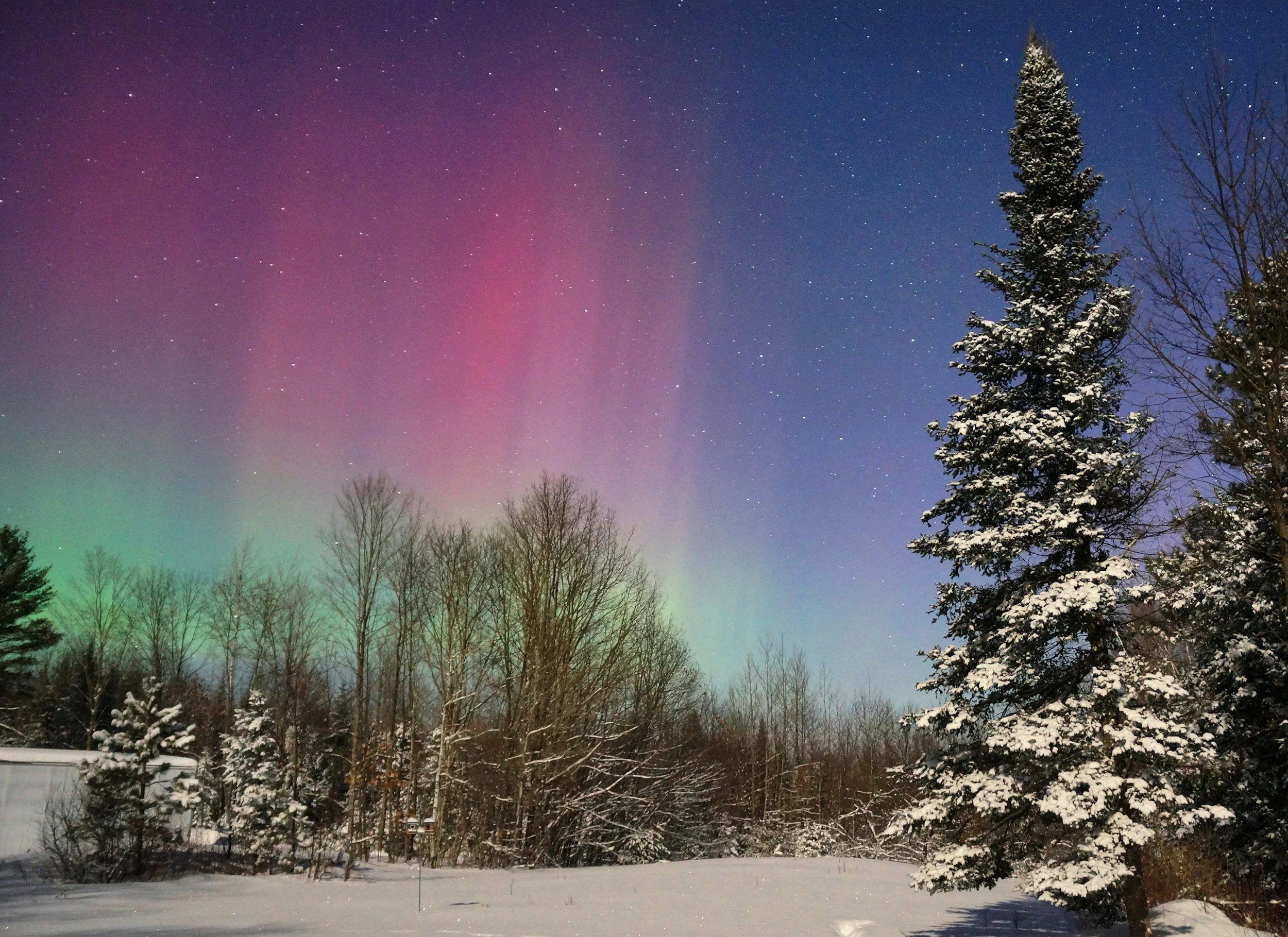
Maine winters can be tough on trees.
Heavy snow, ice, freezing temperatures, strong winds, and rapid temperature swings can all put stress on your landscape. While healthy, established trees are generally well equipped to handle winter, a little preparation in the fall can go a long way, especially for young, newly planted, or vulnerable trees.
Here are a few things Maine homeowners can do before winter arrives.
Start With a Fall Inspection
Before the leaves are completely gone, take a walk around your property and look for potential problems.
Keep an eye out for:
Dead or broken branches
Hanging limbs
Cracks or splits
Weak branch unions
Branches rubbing against each other
Trees leaning toward structures or utility lines
Newly damaged trees from summer storms
Winter weather can turn an existing weakness into a much bigger problem. A dead branch that's manageable in October can become a hazard once it's carrying several inches of snow or a coating of ice.
Fall is a great time to identify potential hazards before winter adds another layer of stress.
Pay Special Attention to Young Trees
Young and recently planted trees deserve extra attention going into their first few Maine winters.
Their root systems haven't had as much time to establish, and thin-barked young trees can be more susceptible to winter injury and animal damage.
Make sure newly planted trees are adequately watered during dry fall weather, but avoid overwatering. The goal is to head into winter with healthy, well-established roots, not saturated soil.
For particularly vulnerable young trees, trunk protection may also help prevent damage from animals and winter conditions.
Mulch Can Help, If You Use It Correctly
A good layer of organic mulch around a tree can help conserve moisture and moderate soil temperature.
But there's an important rule: Don't pile mulch against the trunk.
That classic “mulch volcano” can trap moisture against the bark and create conditions that encourage rot, insects, and rodent damage. Instead, spread roughly 2–3 inches of mulch over the root zone while keeping it away from the trunk.
Proper mulching can also help reduce temperature swings in the soil and protect roots from some of the stresses that come with Maine's freeze-thaw cycles.
Don't Assume More Pruning Is Better
It's easy to think that cutting back a tree in the fall will make it safer for winter.
Not necessarily. Pruning is best done for a specific reason, not simply because winter is coming. Removing dead, damaged, or hazardous wood can be appropriate, but major pruning can affect a tree's ability to prepare for winter.
If you're looking at a tree and thinking, “I'm not sure whether this should come down or stay,” that's a good time to have an arborist take a look.
Evergreens Have Their Own Winter Challenges
Maine's evergreens can face a different problem: winter drying.
Cold temperatures and strong winds can cause evergreen foliage to lose moisture while the ground is frozen, making it difficult for the roots to replace that lost moisture. This can lead to what's commonly called winter burn or winter desiccation. (Maine)
Trees in exposed locations, particularly along roads or other windy areas, can be especially susceptible.
Keeping trees healthy going into winter is one of the best defenses.
Watch the Weather
One of the biggest challenges for Maine trees isn't simply cold, it's rapid changes in conditions.
Trees gradually develop winter hardiness as temperatures drop. Warm periods followed by sudden freezes can create additional stress and contribute to winter injury.
Unfortunately, there's not much a homeowner can do about Maine weather.
What you can do is make sure your trees aren't going into winter already stressed, damaged, or poorly maintained.
Don't Forget About Snow and Ice
Once winter arrives, resist the urge to aggressively knock heavy snow or ice off every branch.
Branches can be surprisingly brittle when temperatures are low, and trying to remove ice can sometimes cause more damage than leaving it alone.
Instead, focus your attention on trees that are already compromised or limbs that are creating an immediate hazard.
And remember: never attempt to remove ice-covered branches near power lines yourself.
Healthy Trees Are Better Prepared
There's no way to completely winter-proof a tree. Maine is Maine. We're going to get snow, ice, wind, deep freezes, thaws, and probably a few storms that nobody saw coming. But healthy trees are better equipped to handle those conditions.
Good year-round care, including proper planting, watering, mulching, structural pruning, and addressing dead or hazardous branches, helps trees build the strength they need to make it through winter and come back strong in spring.
The best time to prepare your trees for winter is before winter gets here.
Take a walk around your property this fall. Look up. Look for problems. And if you're unsure about a tree, it's much easier to deal with it on a calm fall day than during a January ice storm.