
The Benefits of Trees: Why Healthy Trees Matter to Your Maine Property
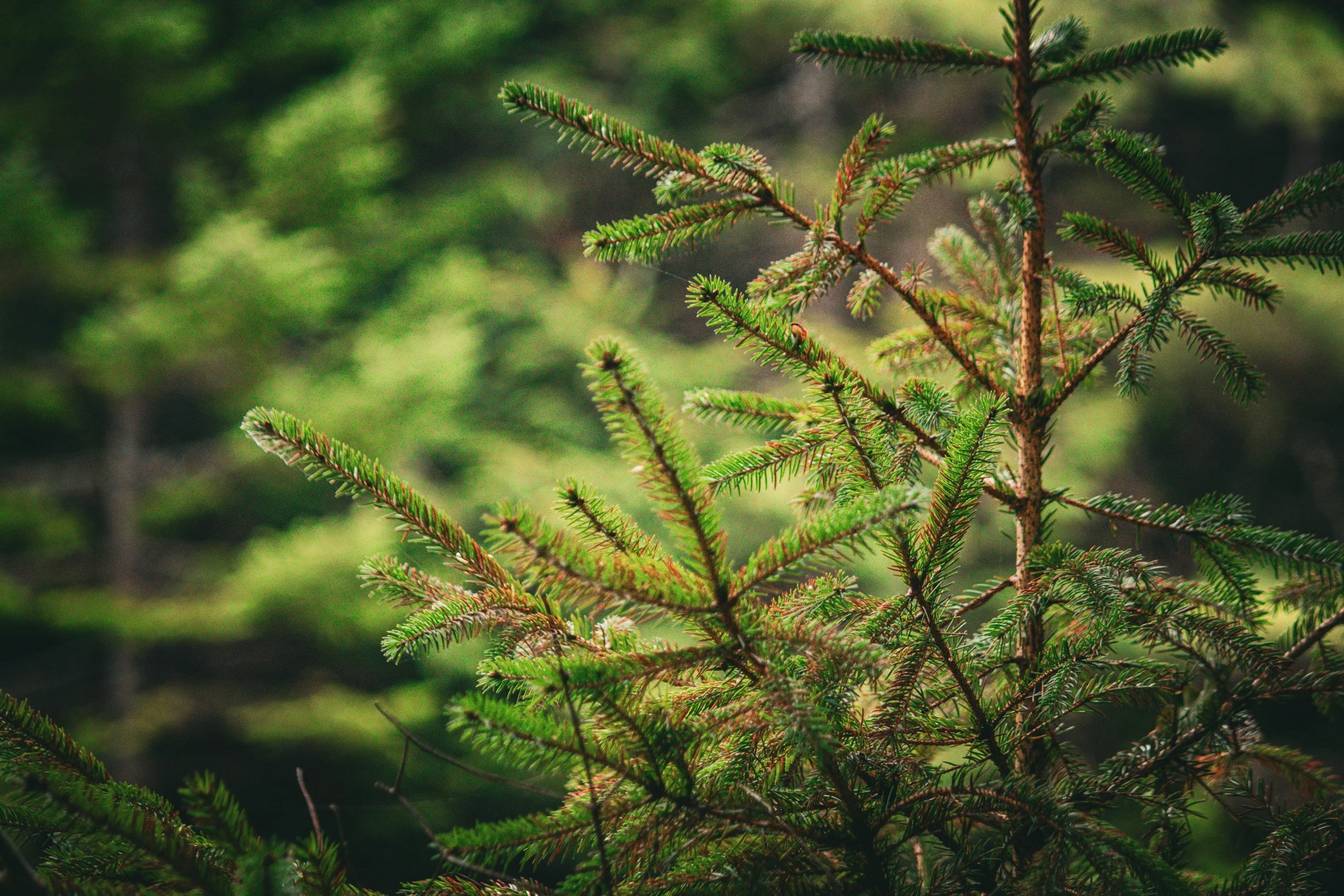
Trees are one of the most valuable features of any landscape. They provide shade on hot summer days, create habitat for wildlife, help manage rainwater, and bring natural beauty to the places we call home. Here in Western Maine, trees are also a big part of what makes our surroundings special — from the pines and maples in our yards to the forests and lakes that define the region.
But the benefits of trees go well beyond their appearance. Healthy, well-maintained trees can improve the comfort of your home, support the local environment, and contribute to the long-term value of your property.
At Hutch's Tree, we believe in preserving healthy trees whenever it is safe and practical to do so. Understanding what trees provide is an important first step in making informed decisions about their care.
1. Trees Add Beauty, Shade, and Comfort
One of the most obvious benefits of trees is the character they bring to a property. A mature oak can anchor a front yard, a stand of evergreens can create privacy, and a large maple can provide a beautiful canopy over a driveway or outdoor living space.
Trees also help make outdoor spaces more comfortable. Their shade can reduce direct sunlight on patios, lawns, and buildings, making it easier to enjoy your property during warmer months.
Deciduous trees offer a particularly useful seasonal benefit. In summer, their leaves provide shade, while in winter, their bare branches allow more sunlight to reach your home.
Thoughtful tree placement can make a meaningful difference in how a property looks and feels throughout the year. When choosing which trees to preserve, it is worth considering not only their current appearance but also how they contribute to the overall landscape.
2. Trees Can Help Reduce Energy Costs
Trees can influence how much heating and cooling a home needs.
During the summer, trees positioned to shade windows, roofs, and outdoor walls can help reduce the amount of solar heat reaching a building. This may help keep indoor spaces cooler and reduce reliance on air conditioning.
In colder months, deciduous trees lose their leaves and allow more sunlight through. Evergreens and other appropriately placed trees can also act as windbreaks, helping reduce exposure to prevailing winds.
Placement matters. A tree that provides useful shade in summer may be less beneficial if it blocks desirable winter sunlight or interferes with a building. The goal is to work with the natural characteristics of the tree and the layout of your property.
Before removing a mature tree that shades your home, consider the role it plays. Its benefits may be greater than they first appear.
3. Trees Support Cleaner Air and a Healthier Environment
Trees play an important role in the environment around us.
Their leaves can capture airborne particles, and trees absorb carbon dioxide as part of photosynthesis while releasing oxygen. Trees also provide shade and release water vapor through transpiration, helping cool the surrounding environment.
On a property with plenty of pavement, buildings, and exposed ground, shade from trees can help reduce localized heat. This benefit is especially relevant in developed areas where roads, roofs, and other surfaces absorb and retain heat.
Trees also contribute to healthier landscapes by supporting natural processes that would otherwise be diminished in heavily developed spaces.
Although a single tree cannot solve every environmental challenge, the combined benefits of trees across a neighborhood or community can be substantial.
4. Trees Help Manage Rainwater and Soil
Rainwater management is another important benefit of a healthy tree canopy.
Leaves and branches intercept rainfall before it reaches the ground. Some water evaporates, while some travels down the trunk or reaches the soil more gradually. Tree roots also help maintain soil structure, and vegetation can reduce erosion in suitable locations.
These benefits can be particularly valuable in Maine, where heavy rain and seasonal weather changes can create drainage challenges.
On properties with slopes, exposed soil, or areas that collect runoff, existing trees and other vegetation may help support the landscape. Removing trees without considering the surrounding site can change how water moves across the property.
Trees are not a substitute for proper drainage planning, but they can be an important part of a healthy landscape.
If you're considering clearing a wooded area or removing several mature trees, it is worth looking at the bigger picture before making changes.
5. Trees Provide Habitat for Wildlife
Maine's trees support an incredible variety of wildlife. Birds use branches for nesting and shelter, insects depend on trees for food and habitat, and mammals may rely on tree cover for protection and movement.
Different tree species provide different resources. Some produce seeds, nuts, or fruit, while others offer cavities, sheltered branches, or suitable habitat for native insects.
Even the structure of a mature tree can provide value. A standing tree with a cavity or a dead section of trunk may offer habitat for certain wildlife, provided it can safely remain in place.
This doesn't mean every damaged or dead tree should be retained. A hazardous tree near a home, driveway, or frequently used area may require removal. However, where conditions allow, retaining suitable habitat features away from high-use areas can support local wildlife.
When planning tree work, consider whether healthy trees or suitable habitat trees can remain without compromising safety.
6. Mature Trees Can Contribute to Property Value
Well-maintained landscaping can make a property more attractive to potential buyers, and mature trees are often an important part of that appeal.
Established trees provide scale, shade, privacy, and a sense of permanence that newly planted trees cannot immediately replicate. A mature canopy can make a yard feel settled and established, while thoughtfully placed trees can frame views and complement a home's architecture.
Trees are living assets, though, and their value depends on their condition, location, species, and function. A healthy tree in a suitable location may be a major benefit, while a severely compromised tree near a structure may create a liability.
Good tree care helps protect the benefits of mature trees over time. Routine inspections and appropriate maintenance can identify developing concerns before they become more serious.
When evaluating a tree, it is important to consider both what it contributes to the property and whether it can be maintained safely.
7. Why Preserving Mature Trees Matters
One of the most important things to understand about trees is that their benefits develop over time.
A newly planted tree can be a wonderful investment, but it takes years — often decades — to develop the size and canopy of a mature specimen. Replacing a large tree with a small one does not immediately replace the shade, habitat, or landscape benefits that were lost.
That is one reason preservation is worth considering whenever possible.
If a mature tree is healthy, growing in a suitable location, and does not present an unacceptable risk, maintaining it may be the best option. Appropriate pruning, regular assessment, and care for the surrounding root zone can help extend its useful life.
Of course, preservation is not always the right answer. Trees with severe structural defects, significant root failure, or other serious concerns may need to be removed, especially when they threaten people or property.
The goal is to make informed decisions based on the individual tree, its condition, and its surroundings — not to remove trees simply because they require maintenance.
8. How to Protect the Trees on Your Property
Keeping trees healthy starts with understanding their needs and addressing problems before they become more difficult to manage.
Here are a few ways to support the trees around your home:
Inspect your trees regularly. Look for dead branches, cracks, changes in lean, signs of decline, or other unusual changes.
Prune with a purpose. Removing dead, damaged, or poorly positioned branches can be beneficial, but unnecessary or excessive pruning can harm a tree.
Protect the root zone. Avoid repeated soil compaction, excavation, and damage from vehicles or equipment near tree roots.
Use mulch appropriately. A layer of organic mulch can help conserve soil moisture and moderate temperature changes. Keep mulch away from direct contact with the trunk.
Water young trees as needed. Newly planted trees need attention while their root systems become established, particularly during dry periods.
Get professional advice when needed. Large trees, structural concerns, and work near buildings or utilities may require a qualified arborist.
Regular maintenance does not eliminate every risk, but it can help you identify concerns, preserve healthy trees, and plan necessary work thoughtfully.
Need Help Caring for the Trees on Your Property?
Trees provide benefits that can last for generations, from shade and wildlife habitat to improved landscapes and more comfortable outdoor spaces. Protecting those benefits starts with understanding the condition of your trees and the role they play on your property.
At Hutch's Tree, we take a preservation-first approach whenever possible. We evaluate the tree, its surroundings, and the concerns involved before recommending a course of action. Sometimes that means pruning or addressing a specific hazard. Other times, removal is the safest and most appropriate solution.
Whether you have a single mature tree you're hoping to preserve or a larger property that needs attention, we're here to help you make informed decisions about your trees.
Healthy trees are an investment in your property, and in the landscape we all enjoy here in Western Maine.
Source: International Society of Arboriculture, Benefits of Trees