
The Best Time of Year for Tree Removal in Maine
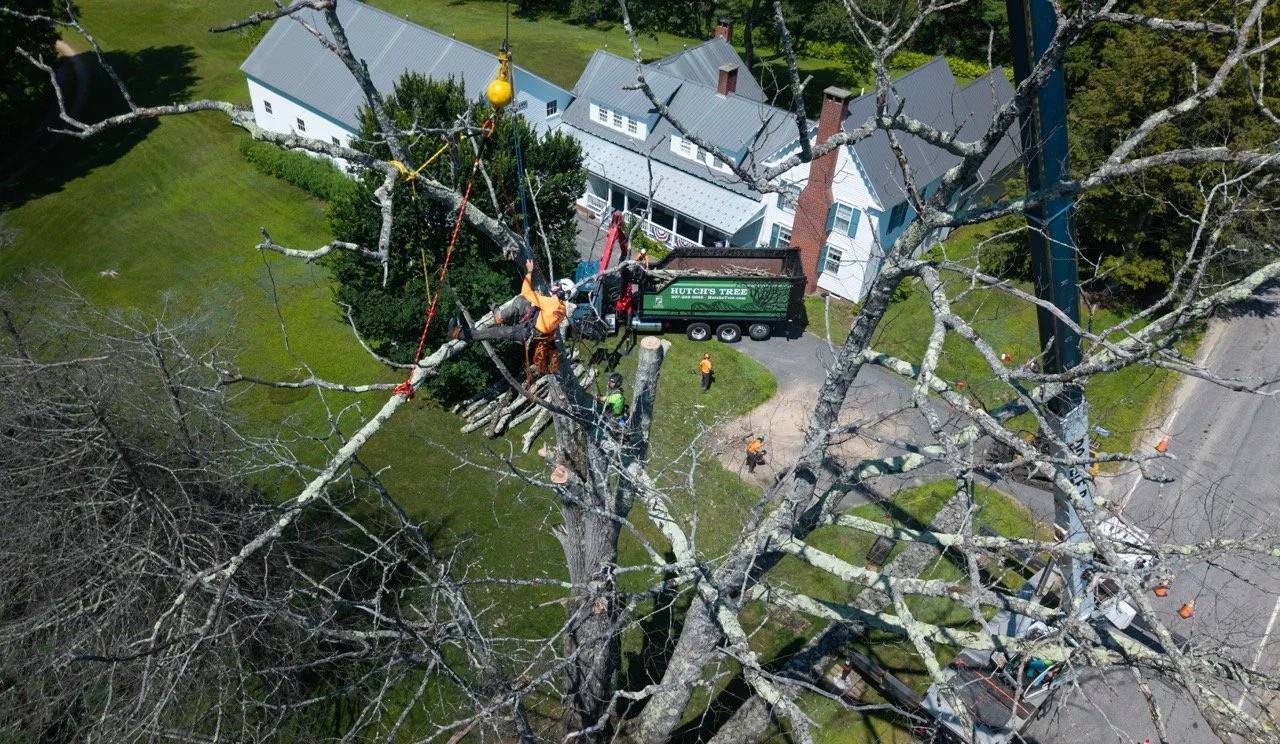
Timing matters more than most people think when it comes to tree removal in Maine. While trees can technically be removed year-round, the conditions surrounding the work can significantly impact safety, cost, and the overall outcome.
Winter is often the ideal window.
Frozen ground provides a stable surface for equipment, reducing damage to lawns, gardens, and surrounding landscapes. Without leaves, tree structure is easier to assess—allowing for more precise and efficient removal. There’s also a practical advantage: winter tends to be a quieter season for tree work, which can mean more flexibility in scheduling.
But not every situation can wait.
Hazardous trees—those that are dead, severely damaged, or structurally compromised—should be addressed as soon as they’re identified. In spring, saturated soils and high winds can quickly turn a questionable tree into a serious risk. In these cases, timing isn’t about optimization—it’s about safety.
Summer removals often happen when signs of decline become more obvious. Full foliage can reveal dead sections, disease, or stress that wasn’t visible in colder months. However, working in softer ground conditions requires more care to avoid unnecessary impact to the property.
Fall sits somewhere in between.
It’s a common time for homeowners to evaluate their properties before winter sets in. Removing a problem tree in the fall can prevent issues related to snow load or ice accumulation in the months ahead.
Ultimately, the “best” time isn’t just about the calendar—it’s about the condition of the tree and the environment around it. Planning ahead allows for the most efficient and least disruptive approach, but when a tree becomes a liability, acting quickly is always the right call.