
What an ISA Certified Arborist Actually Does (And Why It Matters)
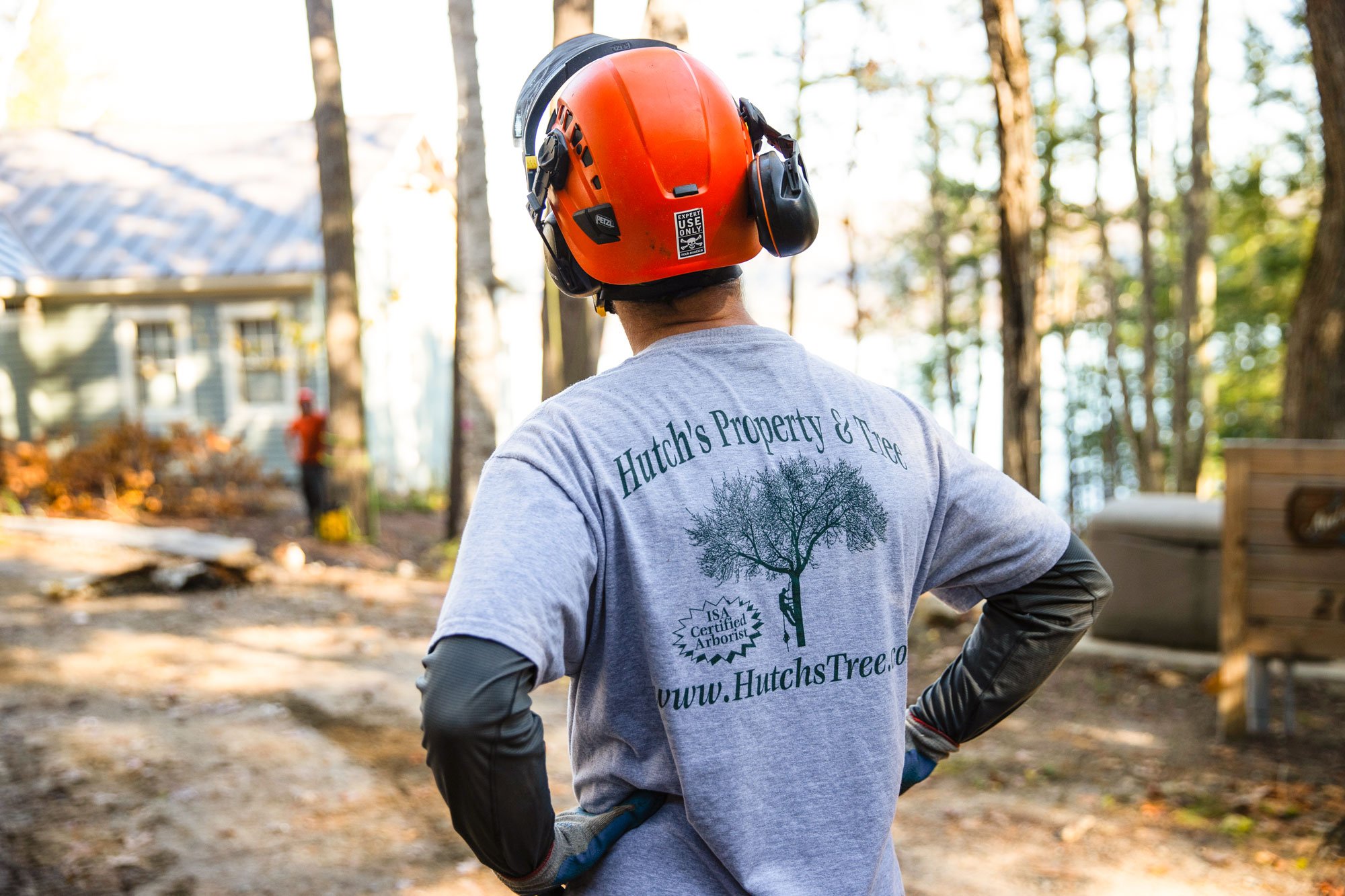
When most people think of tree work, they picture chainsaws, bucket trucks, and someone cutting branches out of the way. And while that’s part of it, it’s only a small slice of the job—especially when an ISA Certified Arborist is involved.
At its core, arboriculture is about tree health, safety, and longevity. An ISA Certified Arborist isn’t just there to remove trees—they’re trained to understand them.
Let’s break down what that actually means, and why it matters for your property.
First Things First: What Is an ISA Certified Arborist?
ISA stands for the International Society of Arboriculture, a globally recognized organization that sets the standard for professional tree care.
To become ISA Certified, an arborist must:
Have years of hands-on experience
Pass a comprehensive exam covering tree biology, safety, pruning, diagnosis, and ethics
Commit to continuing education to stay certified
In short: it’s not a title you buy, it’s one you earn.
What an ISA Certified Arborist Actually Does
Evaluates Tree Health (Not Just Appearance)
Certified arborists are trained to assess:
Tree structure and stability
Signs of disease, decay, or pests
Root health and soil conditions
They’re looking at the whole system, not just what’s visible from the ground.
Prunes With Purpose
Pruning isn’t about making trees look neat, it’s about:
Encouraging healthy growth
Reducing risk from weak or overextended limbs
Preventing long-term structural problems
Bad pruning can permanently damage a tree. Proper pruning helps it thrive for decades.
Identifies Safety Risks Before They Become Emergencies
Trees don’t usually fail without warning. A certified arborist knows how to spot:
Cracks, cavities, and internal decay
Poor branch attachments
Root instability
This allows problems to be addressed before storms, heavy snow, or high winds turn them into emergencies.
Recommends the Right Solution (Even If That Means Doing Less)
One of the biggest differences with a certified arborist? They don’t default to removal.
Sometimes the best answer is:
Targeted pruning
Cabling or bracing
Monitoring over time
And yes, sometimes removal is the right call. But it’s based on knowledge, not convenience.
Why This Matters for Homeowners in Western Maine
Trees are a huge part of life for us here in Maine, especially in places like Lovell, Bridgton, Denmark, Fryeburg, Stoneham, Stow, and Sweden. They provide shade, privacy, beauty, and real property value.
Working with an ISA Certified Arborist helps ensure:
Your trees stay healthy longer
Your home and family stay safe
You avoid unnecessary removals or costly mistakes
Your landscape is managed thoughtfully, not aggressively
In a wooded, storm-prone region like Western Maine, that expertise matters.
The Bottom Line
Anyone can cut a tree down.A certified arborist understands why, when, and how to care for one properly.
At Hutch’s, ISA Certification isn’t a badge, it’s a responsibility. It means every recommendation is rooted in science, safety, and respect for the landscape we all live in.
If you’re not sure what your trees need, that’s okay, that’s literally the job.