
Maine Maple Trees, Maple Syrup Season, and the Health of Our Forests
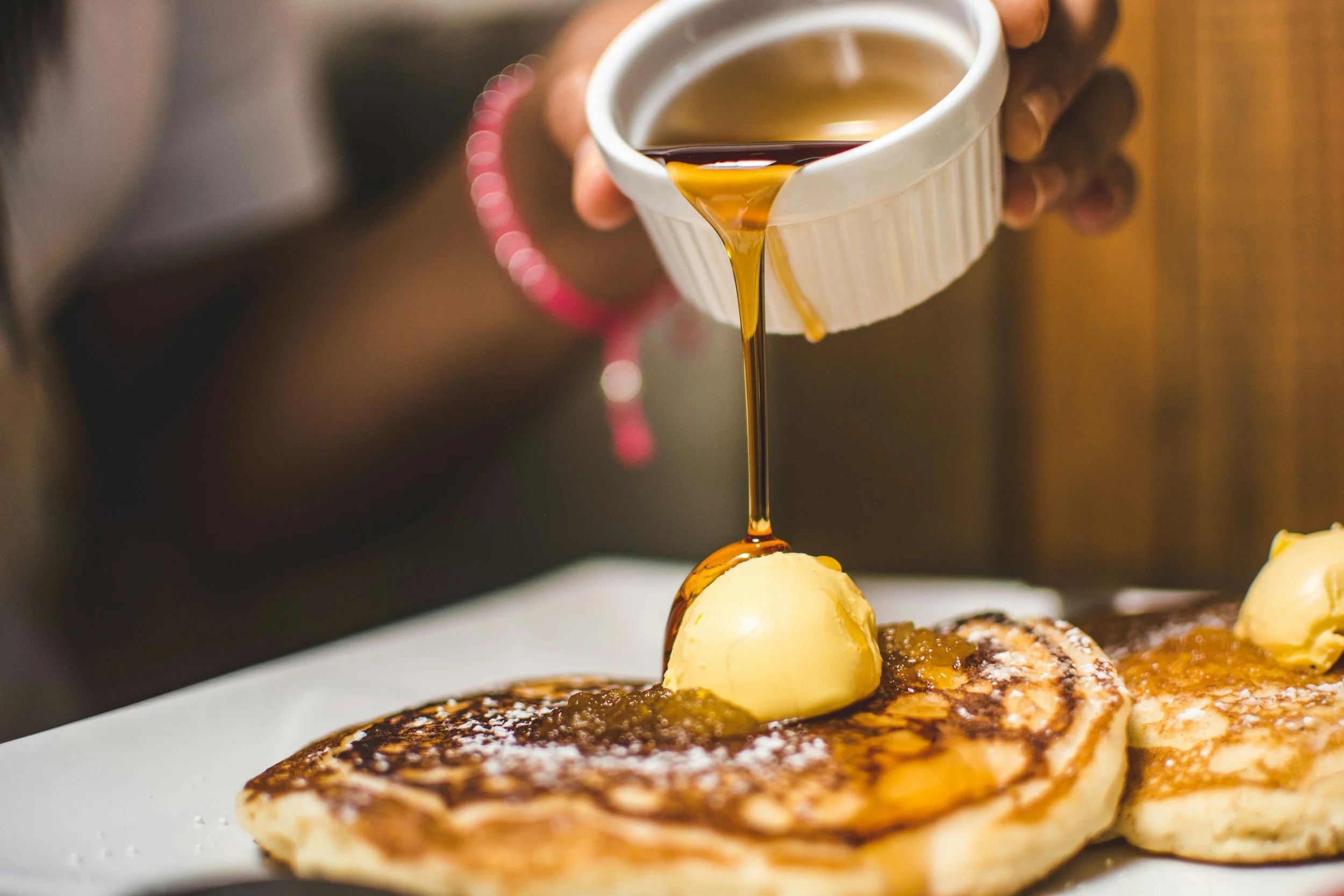
In Maine, maple trees are more than just part of the scenery — they’re part of a tradition that signals the changing of the seasons.
Every year as winter begins to loosen its grip and daytime temperatures rise above freezing, sugar maple trees begin the slow process that leads to one of Maine’s sweetest traditions: maple syrup season.
Across the state, sap starts flowing, sugarhouses fire up their evaporators, and families prepare for one of the most anticipated events of early spring: Maine Maple Sunday.
But beyond the pancakes and syrup bottles, maple season tells a deeper story about healthy forests and thoughtful land stewardship.
Why Maple Trees Produce Sap in the First Place
Sugar maples store energy during the growing season in the form of starch within their trunks and roots. As late winter arrives and temperatures begin to fluctuate (warm days followed by freezing nights), pressure changes inside the tree cause sap to flow upward through the trunk.
This sap carries nutrients that will eventually fuel new buds and leaves in the spring.
For maple producers, this short window of natural tree activity provides the raw ingredient for syrup. It takes roughly 40 gallons of sap to produce just one gallon of maple syrup, which is why the process is both labor-intensive and deeply respected.
Maine Maple Sunday: A Celebration of Forest Tradition
Every March, maple producers across the state open their sugarhouses to the public during Maine Maple Sunday Weekend.
Visitors can tour sugarhouses, see how sap is boiled into syrup, and experience firsthand the work that goes into producing Maine’s most iconic natural product.
For many families, it’s a yearly ritual, a chance to get outside after a long winter and reconnect with the woods.
And for those who work in forests, it’s also a reminder of how closely tied maple production is to the long-term health of the land.
Healthy Forests Produce Better Maple Trees
Producing maple syrup isn’t just about tapping any tree in the woods. Successful sugarbush management requires careful forest stewardship.
Healthy maple stands depend on:
Proper spacing between trees
Healthy soil conditions
Adequate sunlight reaching the canopy
Monitoring for pests, disease, and storm damage
Selective thinning is often used to remove competing or unhealthy trees so that mature sugar maples can thrive. This improves sap production while also supporting long-term forest health.
In many ways, managing a maple stand is similar to responsible arboriculture… it’s about understanding the ecosystem and helping the strongest trees succeed.
Maple Trees as Part of a Healthy Landscape
Even outside of maple syrup production, sugar maples play an important role in Maine’s forests and landscapes.
They provide:
Dense summer shade
Brilliant fall foliage
Habitat for wildlife
Strong, durable hardwood used in furniture and flooring
Mature maples can live for well over a century, becoming defining features of both forested land and residential properties.
Like all trees, though, they benefit from proper care and attention, especially when growing near homes, driveways, and developed areas.
Stewardship for the Next Generation
Whether you’re tapping trees for syrup or simply enjoying their shade in the summer, maple trees remind us that forests are long-term investments.
The same trees producing sap today may have been standing for decades before the first tap was ever drilled. And with thoughtful stewardship, they can continue producing sap, and providing beauty, for generations to come.
As maple season rolls around each spring and sugarhouses open their doors for Maine Maple Sunday, it’s a celebration not just of syrup, but of the forests that make it possible.
And healthy forests start with thoughtful care.