
The Many Benefits of Trees: Why They Matter More Than You Think
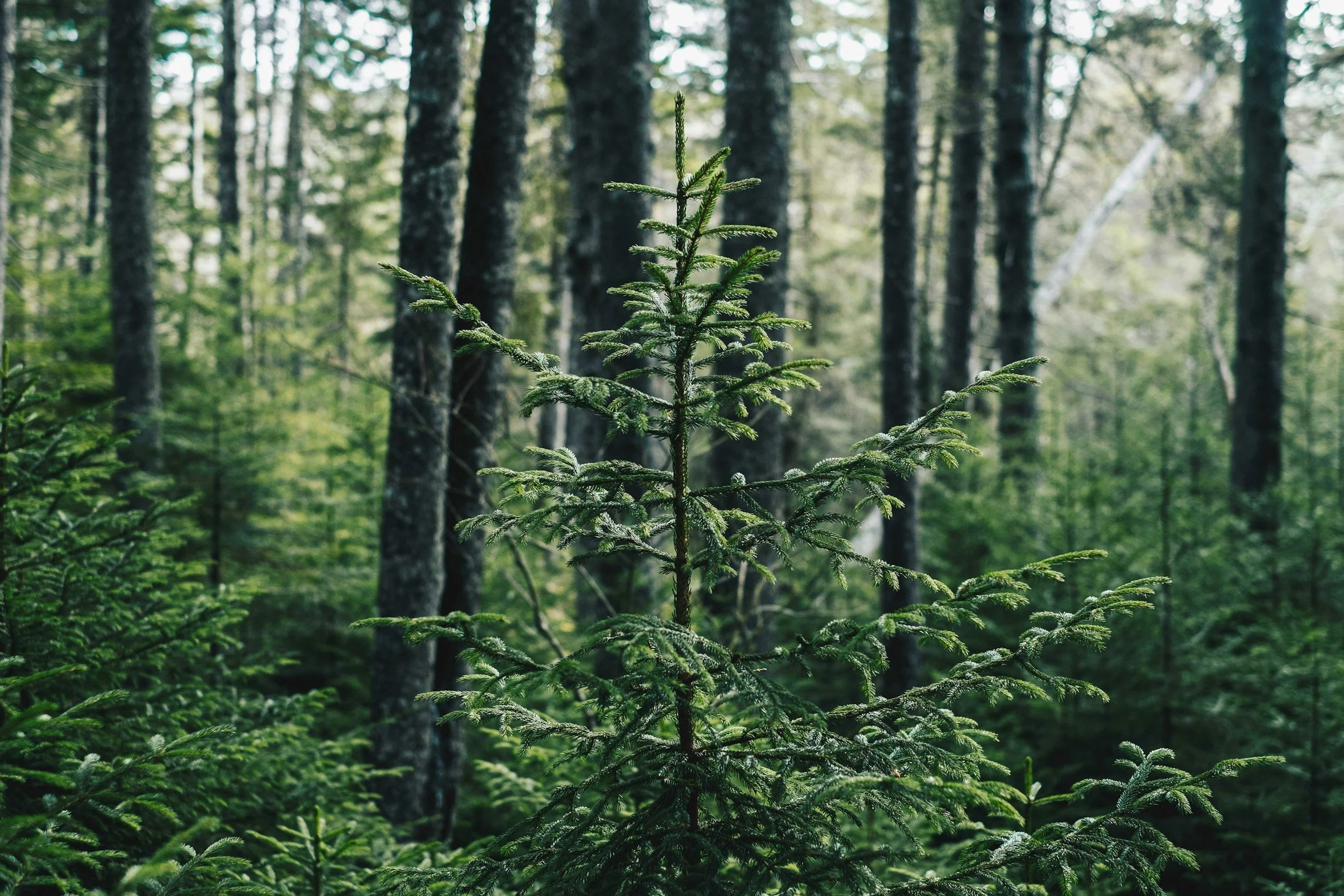
Trees are one of the most valuable parts of any landscape — whether you live on a wooded property in Western Maine or in a neighborhood surrounded by lawns and roads.
Beyond their beauty, trees provide powerful environmental, economic, and social benefits that impact everything from property values to air quality. They restore a sense of natural balance in our built environments and give scale and character to the places we live.
But unlike buildings or fences, trees are living organisms. Like us, they require care, attention, and investment to provide their full range of benefits.
Here are some of the most important ways trees improve our communities and landscapes.
Trees Improve Air Quality
Trees act as natural air filters.
Leaves and bark capture particulate matter such as dust, pollen, and pollution while absorbing harmful gases like carbon dioxide, ozone, and nitrogen oxides. At the same time, trees release oxygen through photosynthesis — improving the quality of the air we breathe every day.
In areas with more tree cover, studies consistently show lower levels of air pollution and healthier living environments.
Trees Help Protect Water
Trees play a major role in protecting our water resources.
Their roots stabilize soil and reduce erosion, while their canopies slow rainfall before it hits the ground. This allows water to soak gradually into the soil instead of rushing into storm drains or nearby lakes and rivers.
This process helps filter pollutants, recharge groundwater supplies, and protect sensitive ecosystems. In places like Maine, where clean lakes and watersheds are a defining feature of the landscape, healthy tree cover is essential.
Trees Reduce Energy Costs
Strategically placed trees can significantly reduce energy consumption in homes and buildings.
In the summer, shade from trees lowers surface temperatures and reduces the need for air conditioning. In the winter, trees can act as windbreaks, reducing heat loss from buildings.
Across the United States, trees are estimated to reduce heating and cooling costs by billions of dollars every year. For homeowners, this can translate into noticeable savings over time.
Trees Provide Natural Climate Control
Trees also help regulate local climate conditions.
By providing shade and releasing moisture into the air through transpiration, trees can cool surrounding areas significantly. Neighborhoods with healthy tree canopies often experience lower temperatures compared to areas dominated by pavement and buildings.
Trees also provide protection from wind, rain, and harsh sunlight — creating more comfortable and livable outdoor environments.
Trees Increase Property Value
One of the most tangible benefits of trees is their impact on property value.
Properties with well-maintained landscapes and mature trees are often valued 5–20% higher than similar properties without them. Trees add character, curb appeal, and a sense of permanence that buyers recognize and appreciate.
Large shade trees, ornamental species, and thoughtfully designed landscapes all contribute to making a property more attractive and desirable.
Trees Strengthen Communities
Trees don’t just improve the environment — they also improve the quality of life in our communities.
Neighborhoods with trees often experience:
Increased privacy between properties
Reduced noise levels from roads and surrounding areas
Improved aesthetics and visual appeal
Stronger community interaction and shared outdoor spaces
Research has even shown correlations between tree-lined streets and lower crime rates, as well as improved mental well-being among residents.
Simply put, trees make places more enjoyable to live.
Trees Require Care to Provide These Benefits
While trees offer many advantages, they also require proper care to remain healthy and safe.
Routine pruning, monitoring for pests or disease, and thoughtful planting decisions all play a role in maintaining the long-term health of a landscape.
When trees are properly cared for, they can provide benefits for decades — sometimes even generations.
Investing in Trees Is Investing in the Future
Trees are one of the few landscape features that grow more valuable over time.
They clean the air, protect our water, reduce energy use, increase property value, and strengthen the communities we live in. With proper care and stewardship, trees continue to provide these benefits year after year.
For homeowners and property managers alike, investing in the health of your trees is one of the most impactful decisions you can make for your land.