
New Tree Planting: Setting Up Trees for Long-Term Health & Success
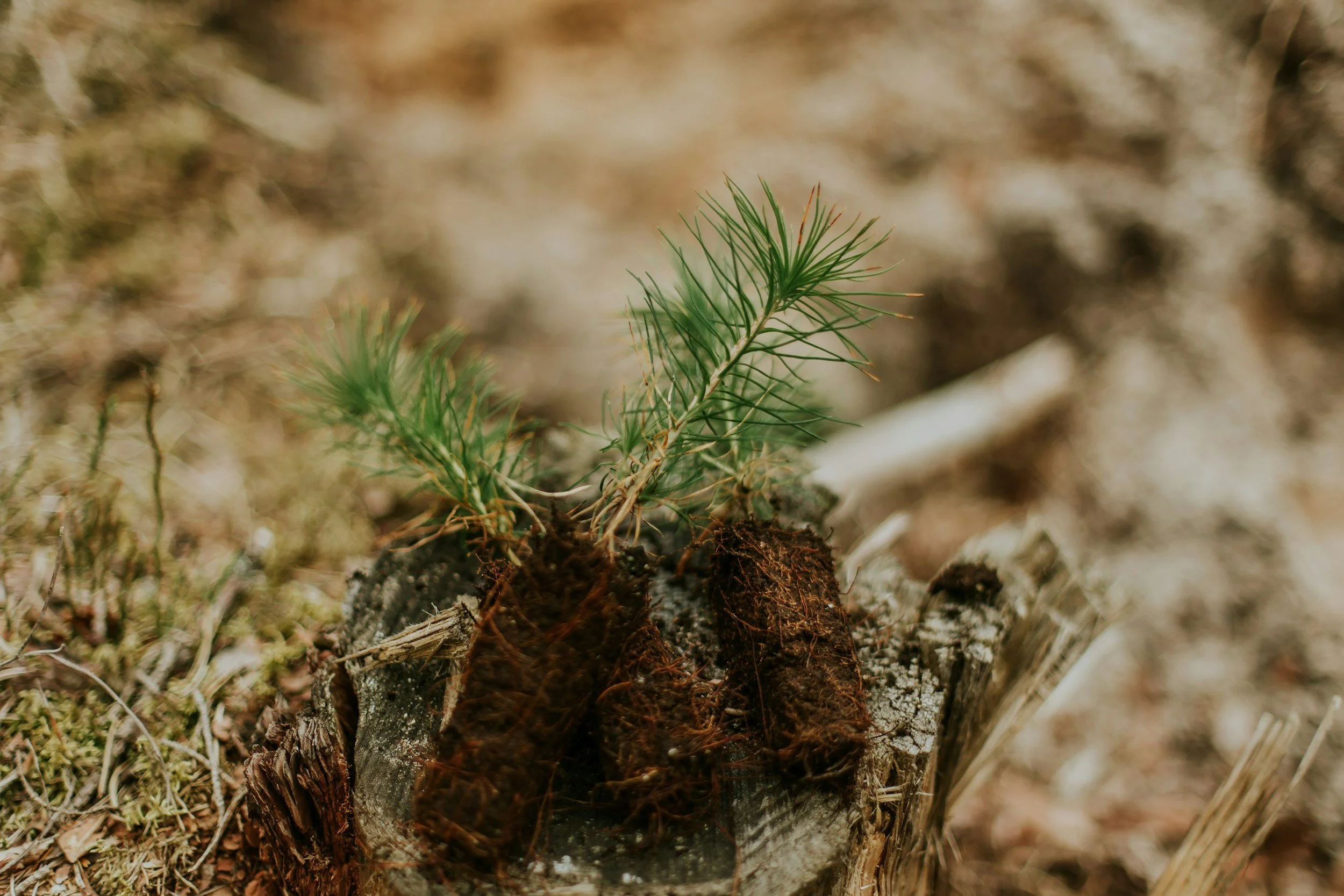
Planting a new tree is one of the simplest ways to improve a property’s beauty, shade, and long-term value, but it’s also one of the easiest things to get wrong. In Western Maine’s climate, where soil conditions, seasonal extremes, and wildlife pressure all play a role, proper planting technique makes the difference between a thriving tree and one that struggles from day one.
At Hutch’s Tree, new tree planting isn’t just about digging a hole, it’s about setting the stage for decades of healthy growth.
Why Proper Tree Planting Matters
A tree’s first few years determine its entire future. Poor planting can lead to:
Girdling roots that slowly choke the tree
Shallow root systems that fail in storms
Chronic stress, disease, and slow decline
Premature removal costs that could have been avoided
When planted correctly, however, a tree develops strong structural roots, better drought resistance, and a natural ability to withstand Maine’s wind, snow, and ice.
Site Selection: The Most Overlooked Step
Before any shovel hits the ground, choosing the right location is critical.
Key considerations include:
Sun exposure throughout the day
Drainage patterns after heavy rain or snowmelt
Distance from structures, driveways, and utilities
Future canopy spread (not just current size)
Soil type and compaction levels
In many cases, the “perfect spot” for aesthetics isn’t always the best spot for long-term tree health.
Proper Planting Technique (Where Most Mistakes Happen)
Even healthy trees can fail if they’re planted too deeply or incorrectly set in the soil.
Best practices include:
Digging a wide, shallow planting hole (wider than the root ball)
Ensuring the root flare sits at or slightly above grade
Removing circling or girdling roots before backfilling
Backfilling with native soil rather than heavy amendments
Watering thoroughly to eliminate air pockets
Mulching is helpful—but only when applied correctly (no “mulch volcanoes”).
Aftercare: The First Two Years Matter Most
Newly planted trees need consistent support while they establish.
Essential aftercare includes:
Deep watering during dry periods (especially the first summer)
Proper mulch ring maintenance
Monitoring for pest or disease stress
Staking only when absolutely necessary and removing it early
Avoiding trunk damage from string trimmers or mowers
Most tree failures don’t happen at planting—they happen in the follow-up care.
Choosing the Right Tree for Western Maine
Not all species thrive in local conditions. Cold winters, compact soils, and seasonal storms mean selection matters as much as technique.
Good candidates often include hardy native or adaptive species that can handle:
Freeze/thaw cycles
Snow load
Variable summer moisture
Local pest pressures
A professional planting plan helps match species to both site conditions and long-term property goals.