
Mature Tree Care: Protecting the Trees That Define Your Property
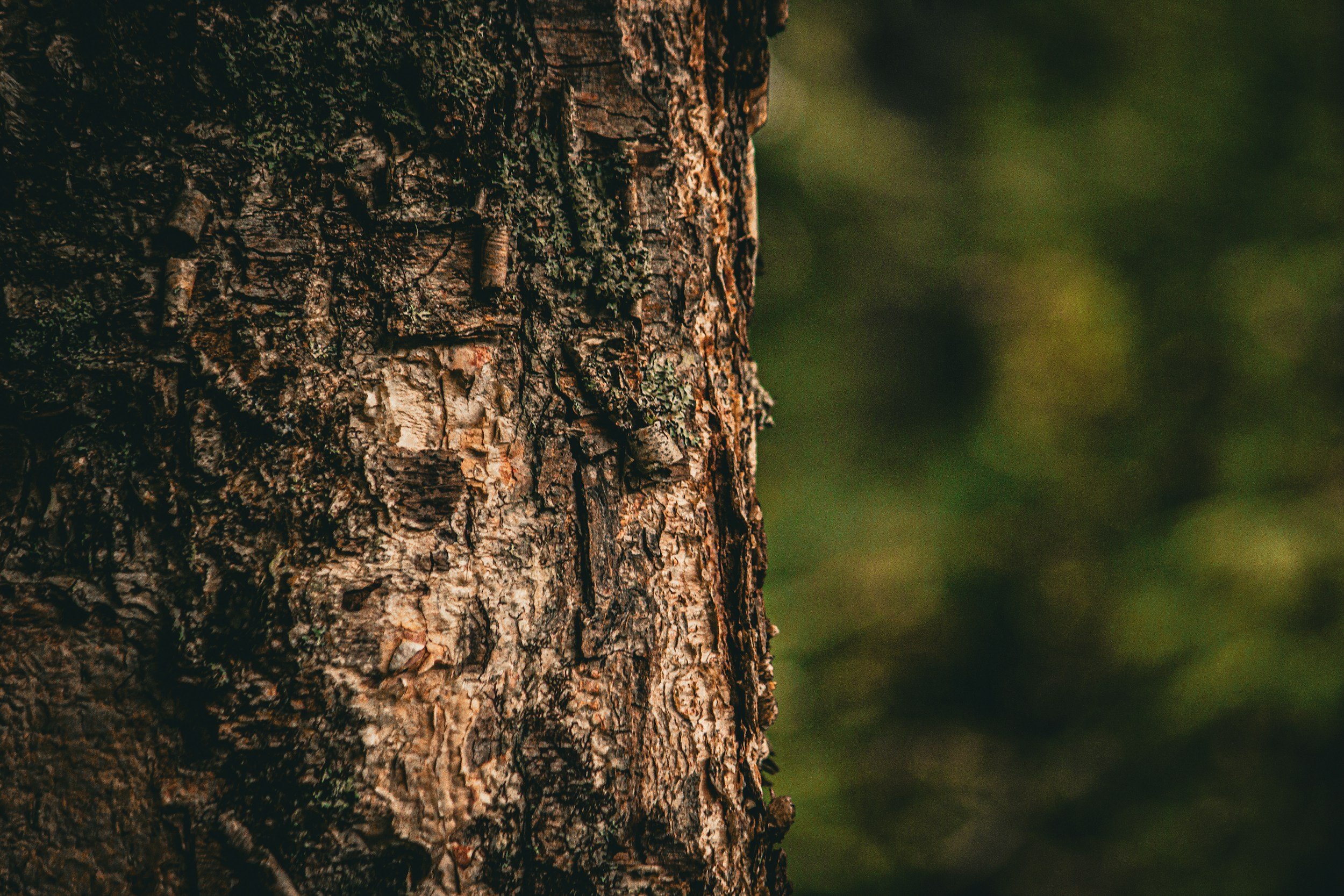
Mature trees are some of the most valuable living assets on any property. They provide shade, privacy, wind protection, and character that simply can’t be replaced quickly. But unlike young trees, mature trees require a different kind of care — less about rapid growth and more about long-term stability, structure, and health.
In Western Maine, where storms, heavy snow, and shifting seasonal conditions are part of life, mature tree care is essential for safety as much as aesthetics.
Why Mature Tree Care Is Different
Once a tree is established, its needs shift. It’s no longer focused on growing—it’s focused on maintaining balance.
Common challenges in mature trees include:
Internal decay hidden beneath a healthy canopy
Weak or overextended limbs
Root zone compaction from years of foot traffic or equipment
Storm damage risk from heavy snow or wind
Gradual decline due to stress or poor past pruning
Proper care helps extend a tree’s lifespan while reducing risk to surrounding structures and people.
Structural Pruning: Supporting Long-Term Stability
One of the most important aspects of mature tree care is thoughtful structural pruning.
This includes:
Removing dead, damaged, or declining limbs
Reducing weight on overextended branches
Improving canopy balance to reduce wind resistance
Eliminating weak branch unions before they fail
Unlike young-tree pruning, mature pruning is more about risk reduction and preservation than shaping growth.
Tree Risk Assessment: Seeing What Isn’t Obvious
Many mature tree failures are predictable, if you know what to look for.
A proper assessment considers:
Trunk cavities or internal decay
Root plate movement or soil heaving
Cracks, splits, or weak attachments
Canopy dieback or uneven leafing
Proximity to homes, roads, and power lines
Regular evaluations help catch issues early, often allowing for corrective action instead of removal.
Soil Health & Root Zone Protection
Even the strongest-looking tree depends heavily on what’s happening underground.
Best practices include:
Avoiding soil compaction from vehicles or heavy equipment
Preserving the critical root zone (often wider than expected)
Applying mulch correctly to regulate moisture and temperature
Managing nearby construction carefully to prevent root damage
A compromised root system often leads to decline that shows up years later in the canopy.
Storm Preparation & Seasonal Maintenance
In Maine, storms are not occasional, they’re expected.
Proactive care can include:
Removing hazardous limbs before winter storms
Balancing heavy canopy weight before snow accumulation
Monitoring trees near structures or driveways
Planning ahead for wind-exposed sites
A well-maintained mature tree can withstand decades of harsh weather with far fewer failures.
When Preservation Isn’t Enough
Not every mature tree can, or should, be saved indefinitely. In some cases, removal becomes the safest option when structural integrity is compromised beyond repair.
The goal is always to preserve when possible, but prioritize safety when necessary.