
Professional Lot Clearing vs. DIY: What Maine Homeowners Should Know
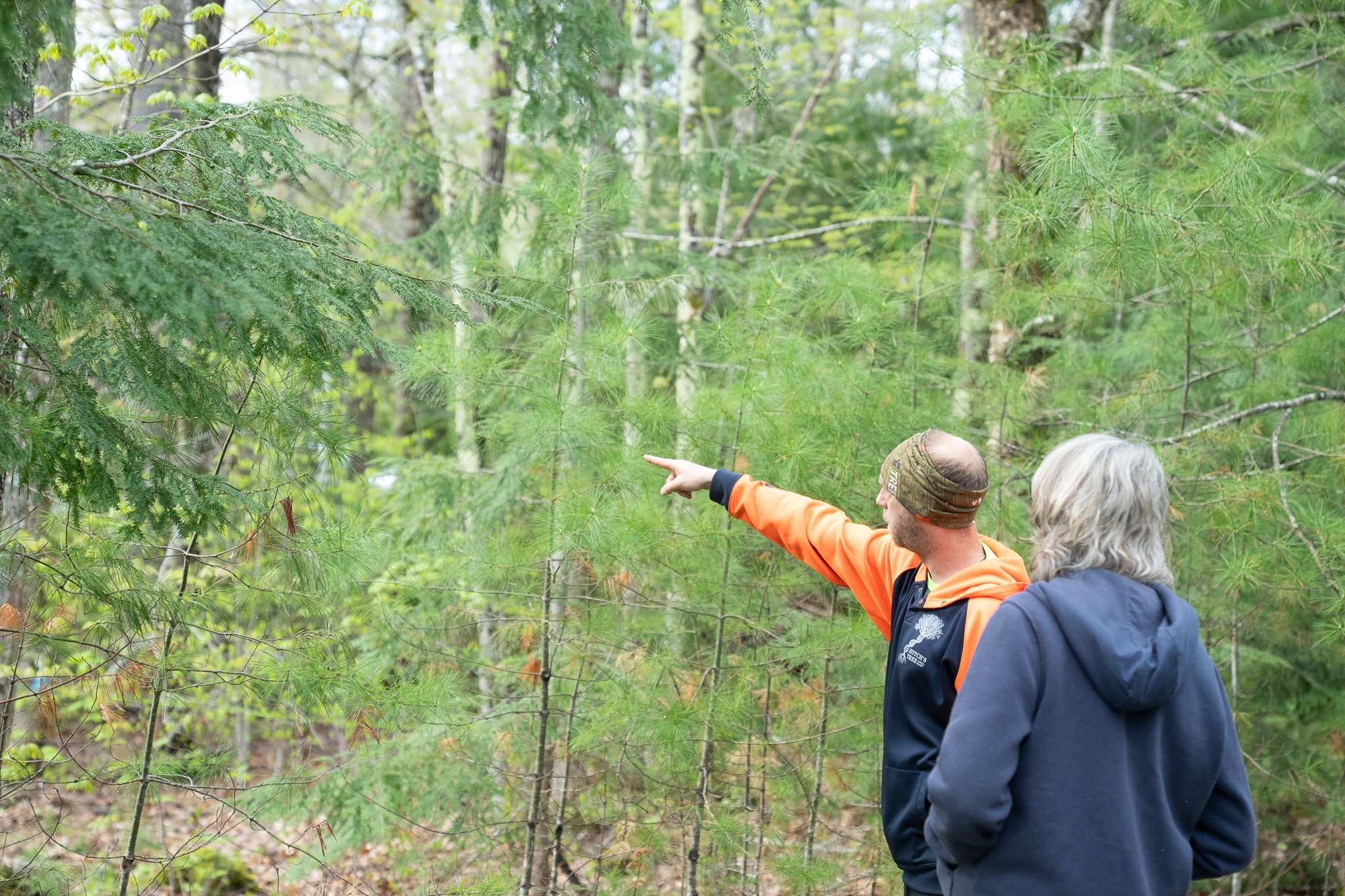
Clearing trees from a property can look deceptively simple. From the ground, it might seem like the process is straightforward: pick a tree, cut it down, move on to the next one.
But once you're dealing with multiple mature trees, uneven terrain, structures, power lines, limited access, or trees that need to be removed in a specific direction, lot clearing becomes much more complicated.
For Maine homeowners, the decision between tackling a project yourself and hiring a professional often comes down to more than the cost of equipment or labor. It's about safety, planning, access, disposal, property protection, and knowing what you're getting into before the first tree comes down.
What Counts as "Lot Clearing"?
Lot clearing can mean different things depending on the property and the project.
It might involve:
Removing trees for a new home or addition
Clearing space for a driveway
Opening an area for a garage or outbuilding
Preparing land for a lawn or field
Creating trails or recreational space
Removing storm-damaged trees
Opening up a view
Selectively thinning an overgrown section of woods
A few small trees in an open field are very different from clearing several acres of mature forest. The larger and more complicated the project becomes, the more important planning and professional equipment become.
When DIY Clearing May Make Sense
Not every tree project requires a professional crew. Homeowners who are experienced with chainsaws and property maintenance may be perfectly capable of handling small, straightforward projects.
For example, removing a few small trees in an open area with plenty of room to fall can be relatively manageable for someone with the appropriate experience and equipment.
The key is understanding the difference between simple and safe enough to attempt yourself.
Before starting any DIY project, consider:
How large are the trees?
Are they healthy or damaged?
Is there room for them to fall safely?
Are there buildings, vehicles, roads, or utilities nearby?
Is the terrain steep or uneven?
Do you know how to assess a tree's lean and structure?
Do you have a plan for what happens after the tree is down?
If the answers become complicated, it's probably time to bring in a professional.
The Biggest Risk: Falling Trees Don't Always Go Where You Want
One of the most common misconceptions about tree removal is that you can simply determine where a tree should fall and cut accordingly.
Trees are dynamic structures. Their weight distribution, lean, branches, wind, trunk defects, root condition, species, and surrounding trees can all influence how they behave during a cut. A tree that looks straightforward from the ground can react unexpectedly once it's under tension or begins to fall.
Professional arborists are trained to evaluate these factors and use specialized cutting and rigging techniques when a tree can't safely fall naturally.
And when the tree absolutely cannot fall freely, that's where the complexity increases dramatically.
Mature Trees Require More Than a Chainsaw
Large Maine trees can weigh thousands of pounds. When a mature tree needs to come down near a house, driveway, septic system, road, power line, or other valuable feature, simply cutting it into pieces isn't enough.
Professionals may use:
Climbing systems
Rigging ropes
Blocks and pulleys
Winches
Cranes
Boom lifts
Specialized lowering techniques
Chippers and other processing equipment
Instead of allowing large sections to fall, pieces can be carefully controlled and lowered to the ground. This allows the crew to work in areas where traditional felling would create unacceptable risk or property damage.
Access Can Change Everything
One of the first things a professional crew evaluates is how we're going to get the equipment to the tree.
A tree may be easy to see but incredibly difficult to access. Wet ground, steep slopes, narrow driveways, landscaping, stone walls, fences, wetlands, septic systems, and other obstacles can dramatically change how a project needs to be approached.
Sometimes the best solution isn't bringing in the biggest machine available. It's finding the right combination of equipment and techniques for the property.
What Happens to All the Wood?
Another part of lot clearing that homeowners often underestimate is what happens after the trees hit the ground. A mature tree can produce an enormous amount of material.
Depending on the project, that might include:
Logs
Large branches
Brush
Wood chips
Stumps
Sawdust
If you're clearing a significant portion of a property, the amount of material can become overwhelming very quickly. Professional crews have equipment designed to process and move that material efficiently.
Large logs can be bucked into manageable sections, branches can be chipped, and stumps can be ground when necessary. A project isn't finished simply because the trees are on the ground.
Stumps Are Part of the Equation
Stump removal is another consideration that should be addressed before clearing begins.
Depending on the project, stumps may be:
Left in place
Ground below grade
Removed completely
Incorporated into the landscape
The best choice depends on what you're planning to do with the land afterward. If you're building a driveway or foundation, for example, leaving large stumps in the ground may not be an option.
Thinking about the final use of the property before starting the clearing process can prevent additional work later.
Protecting the Property
One of the biggest advantages of professional lot clearing is the ability to control where trees and large pieces of wood go.
This becomes especially important around:
Houses
Garages
Decks
Driveways
Septic systems
Wells
Gardens
Fences
Stone walls
Power lines
Neighboring properties
A professional crew can plan the removal sequence around these features and use specialized equipment when necessary. The goal isn't just to remove the trees.
It's to leave the rest of the property intact.
Maine's Terrain Makes Some Projects Especially Challenging
Maine properties aren't exactly known for being flat. Western Maine in particular can mean steep slopes, rocky ground, uneven terrain, wetlands, and dense forest. Weather can add another layer of complexity.
Snow, ice, mud, wind, and wet ground can all affect equipment access and how trees behave. A project that looks easy during a dry summer afternoon can become a completely different operation after heavy rain or during spring mud season. Experienced local crews understand these conditions and can plan accordingly.
Don't Forget Utilities and Underground Infrastructure
Before any significant clearing project, homeowners also need to consider what's around and underneath the work area.
Overhead power lines can create extremely dangerous conditions for tree work. Underground utilities, septic systems, wells, drainage systems, and buried infrastructure can also be affected by heavy equipment or falling trees.
Before beginning work, it's important to identify these hazards and plan the project around them. If you're unsure what's on your property, that's another reason to pause before starting.
The Cost of DIY Isn't Just Equipment
DIY lot clearing can appear less expensive because you're eliminating the cost of professional labor. But the actual cost can include much more than a chainsaw.
You may need:
A larger saw
Protective equipment
Winches or rigging
A chipper
A trailer
Excavation or hauling equipment
Stump grinding
Fuel
Dump fees
Replacement landscaping
Repairs if something goes wrong
There's also the value of your time.
A professional crew that spends several days on a project may save a homeowner weeks, or months, of weekends and physical labor.
Sometimes the Best Approach Is a Combination
Hiring a professional doesn't necessarily mean turning over every aspect of your property. In some cases, homeowners can handle smaller work themselves while bringing in a professional for the dangerous or technically challenging portions.
For example, you might maintain small trees and brush yourself while having a professional handle large removals near structures.
The right approach depends on the property, the trees, and your own experience.
When Should You Call a Professional?
As a general rule, professional help becomes increasingly valuable when trees are:
Large or mature
Leaning significantly
Dead or structurally compromised
Close to buildings
Near power lines
Over roads or driveways
Located on steep terrain
Difficult to access
Entangled with other trees
Too large to safely fell from the ground
If you're planning to clear a large section of property, it's also worth getting professional input before you start.
A consultation can help determine what actually needs to be removed, what can stay, and how the project can be completed efficiently.
Clearing Doesn't Have to Mean Clearing Everything
One final consideration is whether you need to remove as many trees as you initially think. Sometimes a property benefits more from selective clearing than complete clearing.
Removing specific trees can open up a building site, improve a view, create usable space, or make a property safer while preserving mature trees that provide shade, privacy, habitat, and character.
At Hutch’s Tree, we believe the best lot-clearing projects start with understanding the property and the homeowner's goals.
The goal isn't simply to make the trees disappear. It's to create the landscape you actually want.
Sometimes that means removing everything in a defined building area. Sometimes it means selectively thinning the woods. And sometimes the best decision is leaving certain trees exactly where they are. The difference comes down to planning.