
Common Tree Issues in Bridgton, Fryeburg, Lovell & Western Maine
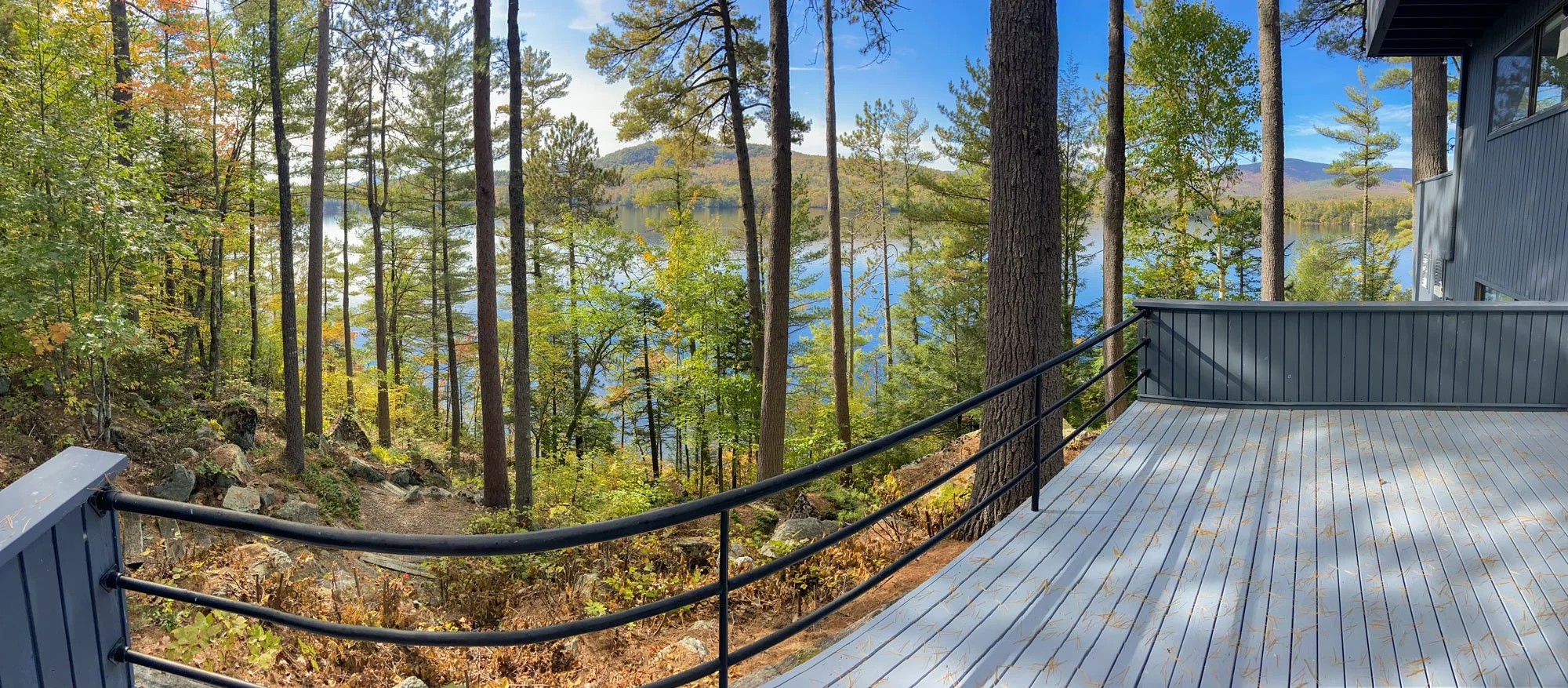
Western Maine is home to some of the most beautiful forests and lakefront properties in New England. From towering white pines to mature maples and shoreline hardwoods, the trees here are a huge part of what makes places like Bridgton, Fryeburg, Lovell, Sweden, and the surrounding region so special.
But Maine’s forests also face a unique set of challenges. Weather, insects, disease, shoreline conditions, and aging tree populations can all create issues that homeowners may not notice until a tree becomes hazardous or begins declining rapidly.
Here are some of the most common tree issues we see throughout Western Maine.
Emerald Ash Borer
One of the biggest concerns in the region right now is the spread of the Emerald Ash Borer.
This invasive insect attacks ash trees by feeding beneath the bark and disrupting the tree’s ability to move water and nutrients. Unfortunately, once symptoms become obvious, decline can happen quickly.
Common signs include:
Dead upper branches
Bark splitting
Woodpecker activity
Thinning canopy
Sprouts growing at the base
Rapid decline over 1–3 years
In some cases, valuable ash trees can be treated early using systemic injections. Other trees may become hazardous and require removal.
Heavy Snow and Ice Damage
Western Maine winters can be tough on trees.
Heavy snow loads and ice accumulation can:
Break limbs
Split trunks
Stress already weakened trees
Increase risk around homes and driveways
Trees with poor structure or existing decay are especially vulnerable during winter storms.
Aging White Pines
Many properties throughout the region feature large, mature white pines — some over a century old.
While these trees are iconic and valuable, aging pines can develop:
Internal decay
Dead upper canopy
Large failing limbs
Root instability
Wind vulnerability
Regular inspections can help identify issues before major failures occur.
Shoreline and Wet Soil Issues
Properties around lakes and ponds often have unique soil and drainage conditions.
Wet ground, shallow roots, erosion, and exposure to wind can all affect tree stability near shorelines.
In many cases, shoreline trees also fall under Maine shoreland zoning regulations, making removals more complex than standard tree work.
Beaver Damage
Beavers can dramatically alter wooded waterfront properties over time.
Repeated chewing and flooding activity can:
Kill trees
Weaken trunks
Destabilize shorelines
Create hidden hazards near homes and structures
We often see trees that remain standing for years after damage but become structurally compromised and prone to failure.
Storm and Wind Damage
Strong wind events are becoming increasingly common throughout Maine.
Trees growing close to homes, garages, sheds, and driveways may develop:
Leaning stems
Root plate movement
Cracks or splits
Hanging limbs
Structural stress
After major storms, it’s always worth having damaged trees professionally evaluated.
Healthy Forests Require Ongoing Stewardship
Not every declining tree needs to come down, and not every healthy-looking tree is actually safe.
The best long-term approach is proactive care:
Monitoring tree health
Addressing issues early
Preserving valuable trees whenever possible
At Hutch’s Tree Service, we work with homeowners throughout Bridgton, Fryeburg, Lovell, and Western Maine to help properties stay safe, healthy, and resilient for years to come.