
What Trees Do in the Wintertime in Maine
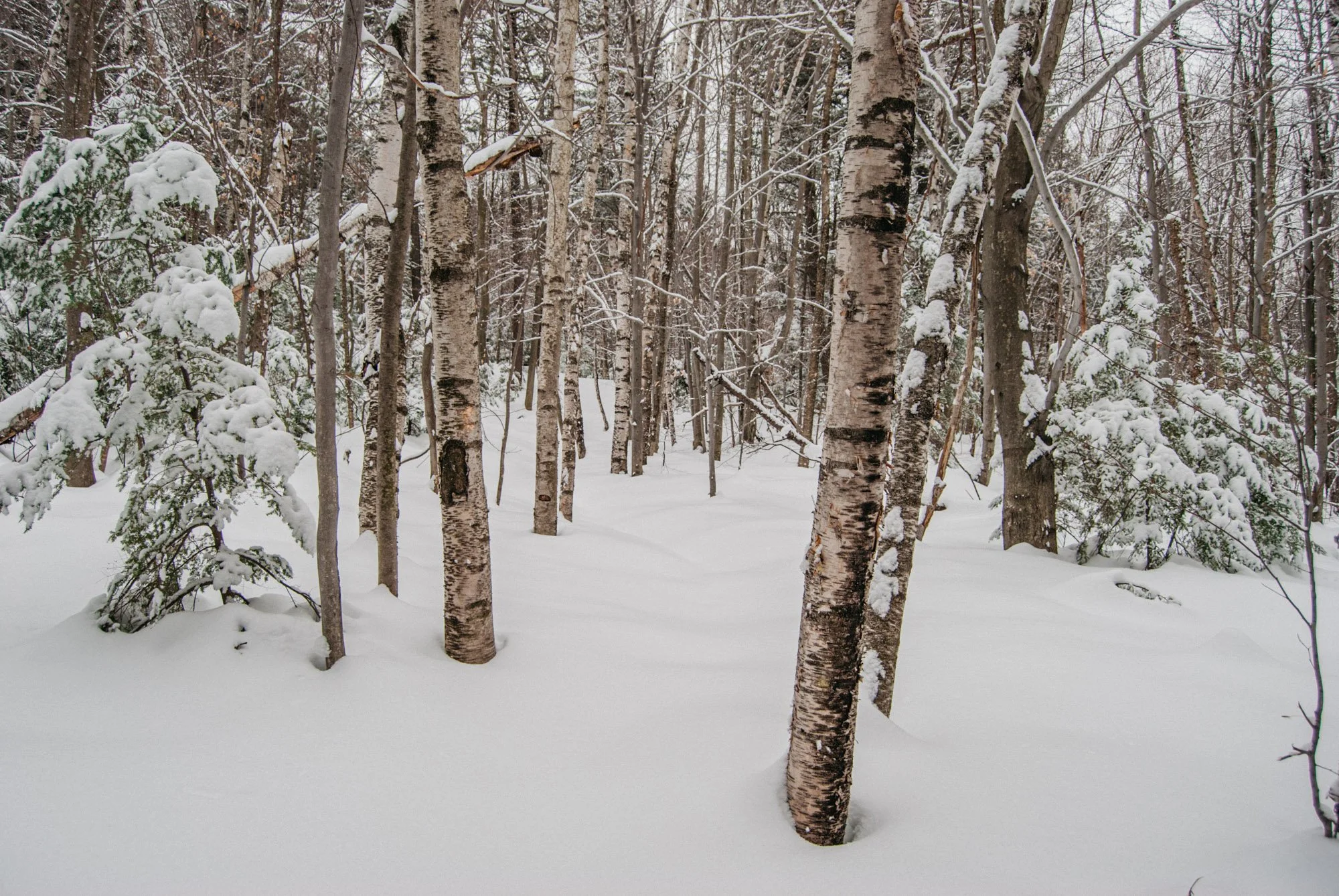
Photo: Reed Allen
If you’ve ever looked out at a snowy Maine landscape and wondered whether trees are alive or just frozen in place until spring, you’re not alone. While things might look quiet on the surface, trees are actually hard at work surviving one of the harshest seasons of the year.
Here’s what’s really going on with trees in Maine once winter sets in.
Trees Go Into Energy-Saving Mode
When temperatures drop and daylight shortens, trees enter a state similar to dormancy. Growth slows way down, and trees stop producing new leaves or shoots. This isn’t laziness — it’s survival.
By conserving energy, trees can withstand freezing temperatures, heavy snow, and limited water availability until spring returns.
Deciduous Trees Drop Their Leaves (On Purpose)
Maples, oaks, birches, and other deciduous trees shed their leaves in the fall for a very practical reason: water loss.
Leaves lose moisture, and in winter, frozen ground makes it nearly impossible for trees to replace that water. Dropping leaves reduces stress, prevents damage from snow buildup, and helps branches survive heavy storms.
Evergreens Keep Their Needles — But With Upgrades
Pines, firs, and spruces don’t lose their needles, but those needles are specially designed for winter.
They’re coated with a waxy layer that reduces moisture loss and helps them withstand freezing temperatures. Their narrow shape also allows snow to slide off more easily, reducing the risk of broken branches during storms.
Trees Protect Themselves From Freezing
Inside a tree, sap chemistry actually changes during winter. Sugars concentrate within cells, acting like a natural antifreeze that helps prevent internal damage when temperatures plunge below zero.
This process allows trees to survive the freeze-thaw cycles that are so common in Maine winters.
Roots Keep Working (Quietly)
Even though everything above ground looks frozen, roots often remain active — especially during milder winter days. Snow acts as insulation, helping keep soil temperatures more stable and protecting roots from extreme cold.
This underground activity helps trees stay ready to jump back into growth mode as soon as spring arrives.
Winter Is a Stress Test for Trees
Snow load, ice accumulation, strong winds, and fluctuating temperatures all put trees to the test. Weak branches, structural defects, or existing damage are more likely to show up — which is why winter storms often reveal problems that weren’t obvious before.
Why Winter Is a Smart Time for Tree Care
Because trees are dormant, winter can actually be an ideal time for pruning, hazard assessments, and long-term tree planning. Without leaves, arborists can clearly see structure, identify weaknesses, and make precise cuts that promote healthier growth come spring.
It’s also a great time to address storm damage before small issues turn into expensive problems.