
Why Tree Care Is Not Landscaping
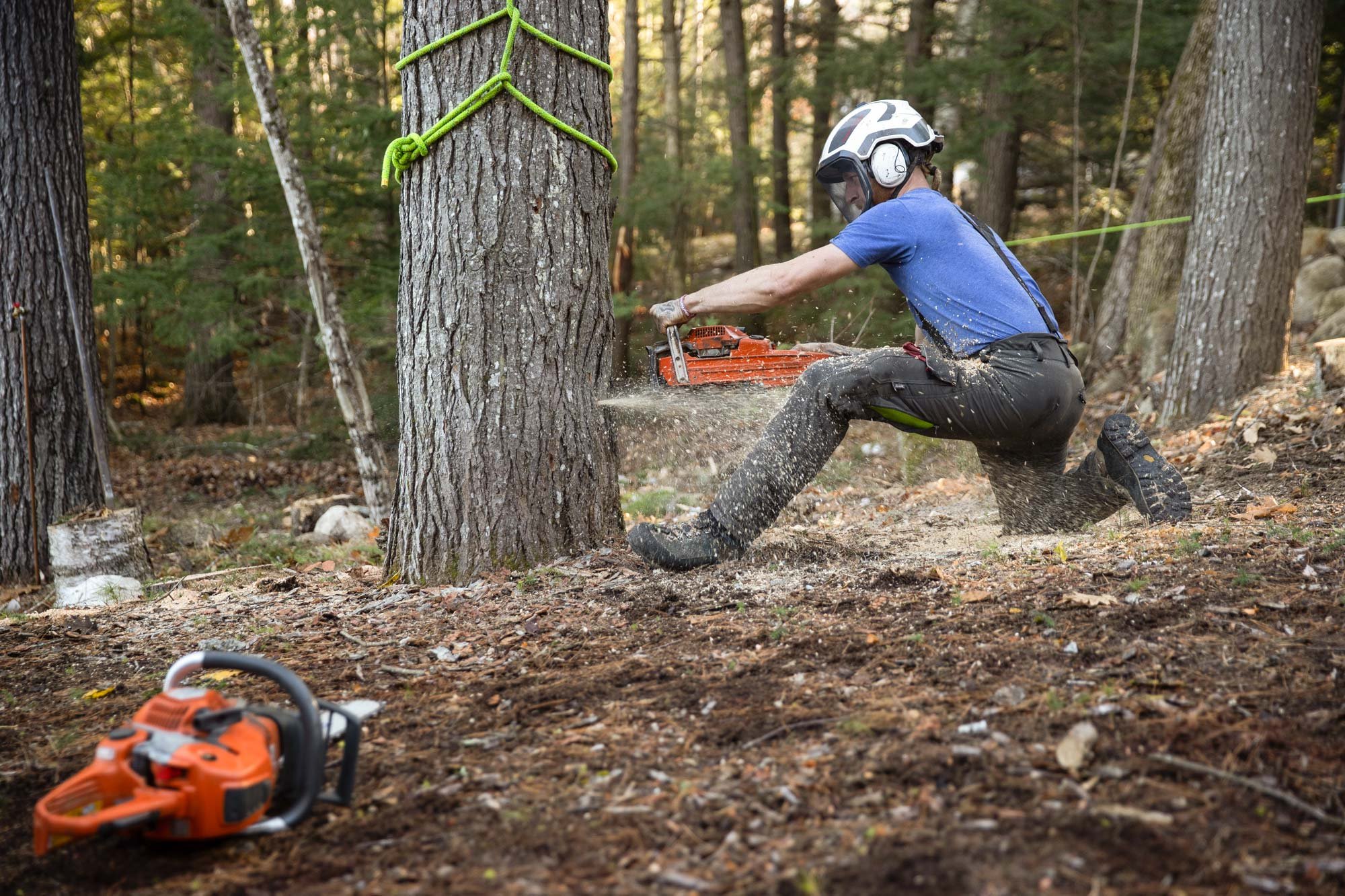
At a glance, tree care and landscaping can seem like they fall into the same category. Both involve outdoor work, property appearance, and maintaining healthy environments around homes and businesses. But in reality, professional tree care is a very different discipline — one that combines biology, risk assessment, technical rigging, climbing, safety systems, and long-term forest stewardship.
Trees are living structures that can weigh thousands of pounds, grow for centuries, and directly impact the safety and health of an entire property. Caring for them properly requires specialized training and experience that goes far beyond general landscaping.
Trees Are Living Systems
Unlike shrubs or decorative plantings, mature trees are complex organisms with interconnected root systems, structural load points, internal decay processes, and biological responses to stress and injury.
Improper pruning cuts, topping, root damage, or poor timing can permanently weaken a tree or shorten its lifespan dramatically.
A trained arborist understands:
Tree biology and growth patterns
Species-specific behavior
Structural weaknesses
Pest and disease management
Soil and root health
Safe pruning practices
Hazard assessment
The goal is not just appearance — it’s long-term health, stability, and safety.
Tree Work Is High-Risk Work
Tree care is also one of the most physically demanding and technically dangerous trades in the outdoor industry.
Removing or pruning large trees often involves:
Rope systems
Rigging and lowering devices
Chainsaws at height
Climbing systems
Heavy equipment
Electrical hazards
Wind and weather considerations
Structural failure risks
One wrong cut or one misjudged lean can have serious consequences for people, homes, vehicles, or nearby trees.
That’s why professional arborists spend years developing the judgment and technical skills needed to work safely and responsibly.
Pruning Is About More Than Appearance
One of the biggest misconceptions about tree care is that pruning is mainly cosmetic.
In reality, proper pruning is often done to:
Reduce structural risk
Remove dead or declining limbs
Improve airflow
Encourage healthy growth patterns
Reduce stress on the tree
Protect homes and driveways
Preserve valuable mature trees
Poor pruning practices — especially topping — can create long-term structural problems and lead to weak, hazardous regrowth.
Every Tree Impacts the Larger Environment
In Western Maine, trees are deeply connected to the health of the surrounding environment.
Trees:
Stabilize shorelines
Protect against erosion
Filter water
Provide wildlife habitat
Create shade and cooling
Improve property value
Shape the character of the landscape
That’s why thoughtful tree care is often about making selective, informed decisions rather than simply removing trees.
The Value of Hiring an Arborist
An ISA Certified Arborist brings a level of education and ongoing training specifically focused on tree care science and safety.
That expertise can help homeowners:
Identify hazardous trees
Preserve valuable trees
Diagnose pests and diseases
Navigate shoreland restrictions
Develop long-term property plans
Avoid costly mistakes
At Hutch’s Tree Service, we believe tree care should always balance safety, property goals, and long-term stewardship of the landscape.
Because tree care isn’t just landscaping — it’s working with living systems that shape the forests and properties we care about every day.